
Maintaining strict quality control when using Diethyl Oxalate in industrial applications is crucial for safety and efficiency. As a leading producer of high-purity chemical products, we understand the challenges faced by quality control professionals in handling this versatile ester compound. This guide provides practical solutions to ensure purity, stability, and optimal performance of Diethyl Oxalate throughout your manufacturing processes.
Understanding Diethyl Oxalate Properties
Diethyl Oxalate (C6H10O4) is a colorless liquid ester with a characteristic fruity odor, widely used as a solvent and intermediate in pharmaceutical, dye, and perfume production. Its molecular structure makes it particularly valuable for esterification reactions, but this same reactivity demands careful handling. Key parameters requiring monitoring include:
- Purity levels (typically ≥99% for industrial applications)
- Water content (must be kept below 0.1% to prevent hydrolysis)
- Acidity (free acid content should not exceed 0.05%)
- Color (APHA scale ≤20 indicates proper refinement)
Quality Control Protocols for Industrial Use
Implementing rigorous testing protocols is essential when working with Diethyl Oxalate. Our recommended quality assurance measures align with ISO 9001 and GMP standards:
Storage and Handling Best Practices
Proper storage conditions significantly impact Diethyl Oxalate stability. As a leading chemical manufacturer with over 20 years' experience, we recommend:
- Store in tightly sealed containers under nitrogen atmosphere
- Maintain temperature between 15-25°C (avoid freezing)
- Use corrosion-resistant materials (stainless steel 316 or glass-lined equipment)
- Implement first-in-first-out (FIFO) inventory management
For similar handling requirements with other reactive intermediates, consider our Ethanol chloride which shares comparable storage protocols but requires additional ventilation measures due to its lower boiling point.
Common Quality Issues and Solutions
Quality control professionals frequently encounter these challenges with Diethyl Oxalate:
- Discoloration: Caused by oxidation or metal contamination. Solution: Use antioxidant additives and ensure proper material compatibility
- Viscosity changes: Indicates polymerization. Solution: Monitor storage temperature and limit exposure to light
- Odor variation: Suggests decomposition. Solution: Verify container integrity and test for acid value
Why Choose Zhenfeng Chemical?
As Asia's leading producer of alcohol series products, we offer:
- Batch-to-batch consistency with ≤0.5% variation
- Customizable particle size and packaging options
- Comprehensive technical documentation including COA, MSDS, and stability data
- 24/7 technical support from our PhD-level chemists
Our ISO 14001 certified facility in Shandong produces Diethyl Oxalate meeting USP, EP, and JP pharmacopeia standards. Contact our quality assurance team today to discuss your specific requirements and request samples.
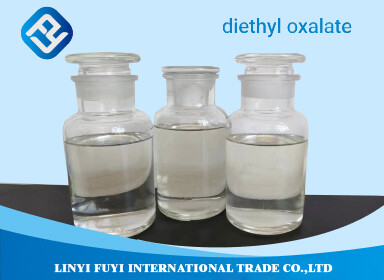
 Diethyl OxalateProduct name Diethyl Oxalate
Molecular Formula C6H10O4
Molecular Weight 146.14
CAS No. 95-92-1
Appearance Colorless oily liquid with aromatic odor
Application Intermediate of drug such as phenoberbital, azathioprine and sulphadoxine-pyrimethamine triazine ring and plastic promoter.
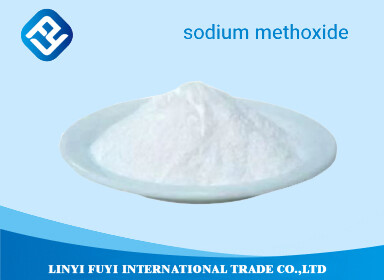
Packing 200kg plastic drum or client required Sodium MethoxideProduct name Sodium Methoxide
Molecular Formula CH3NaO
Molecular Weight 54.02
CAS No. 124-41-4
Appearance White powder or crystal
Total Alkali% ≥99%
Free Alkali% ≤1.0%
Sodium Carbonate (Na2CO3)% ≤0.5%
Application Pharmaceutical, Pesticide, Dyes and Pigment, Plastic, Cosmetic, Edible oil and fat, Fragrance and Flavouring, Paint and Varnish, Biodiesel
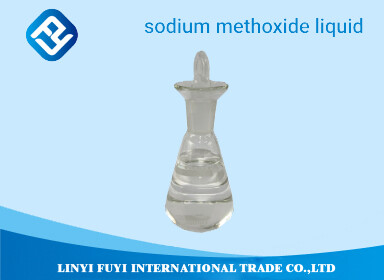
Packing 100kg galvanized iron drum or client required Sodium Methoxide LiquidProduct name Sodium Methoxide Solution
Molecular Formula CH3NaO
Molecular Weight 54.02
CAS No. 124-41-4
Appearance Colorless clear liquid
Total Alkali% 28.5-31%
Free Alkali(NaOH)% ≤0.5%
Application Pharmaceutical, Pesticide, Dyes and Pigment, Plastic, Cosmetic, Edible oil and fat, Fragrance and Flavouring, Paint and Varnish, Biodiesel
Packing 200kg galvanized iron drum; 950kg IBCs;or client required
Leave A Message
If you are interested in our products and want to know more details, please leave a message here, we will reply you as soon as we can.