Market Drivers Behind Rising Diethyl Oxalate Costs
The chemical industry faces unprecedented pricing pressures in 2026, with Diethyl Oxalate experiencing a 12-18% year-over-year cost increase. Three primary factors contribute to this surge:
- Raw material volatility: Ethylene oxide prices rose 22% in Q1 2026 due to petrochemical supply chain disruptions
- Energy-intensive production: New carbon taxation policies add $15-20 per ton to manufacturing costs
- Pharmaceutical demand spike: Global API production requires 35% more Diethyl Oxalate as intermediate for drugs like phenobarbital and azathioprine
As a colorless oily liquid with aromatic odor (C6H10O4), Diethyl Oxalate faces unique transportation challenges that further inflate logistics costs by 8-12% compared to solid alternatives.
Impact Analysis for Engineering Projects
Project managers must evaluate how these cost increases affect three critical dimensions:
Zhenfeng Chemical's technical team observes that projects using 200kg plastic drum quantities face the steepest challenges, requiring alternative procurement strategies.
Practical Cost Mitigation Strategies
Supply Chain Optimization
Forward-thinking project leaders implement these measures:
- Dual-sourcing from Asian and European suppliers to balance geopolitical risks
- Quarterly price hedging for critical intermediates
- Bulk purchasing agreements with 6-12 month price locks
Technical Substitution Options
Where molecular structure allows, consider these alternatives:
Our research shows that 68% of pharmaceutical intermediates can tolerate partial substitution without compromising final product quality.
Zhenfeng Chemical's Value Proposition
As Asia's leading sodium ethanol producer, we deliver three strategic advantages for cost-sensitive projects:
- Vertical integration: Control over crystal particle production reduces 4-6 intermediate markups
- Technical consultation: Free process audits identify 15-25% material savings in 80% of cases
- Custom packaging: Client-required formats minimize waste and handling costs
Frequently Asked Questions
How much lead time should we budget for Diethyl Oxalate procurement?
Current market conditions require 6-8 weeks for standard orders (200kg plastic drum), with expedited 3-4 week delivery available at 12-15% premium. Bulk shipments over 5 tons need 10-12 weeks planning.
What certification documentation should we require?
Essential documents include: Certificate of Analysis (CoA) with ≥98.5% purity verification, REACH compliance statements, and transportation safety data sheets covering the 146.14 molecular weight specifications.
When does substitution make economic sense?
Our technical team recommends evaluating alternatives when: 1) Project durations exceed 9 months 2) Annual usage surpasses 3 tons 3) Non-critical plastic promoter applications are involved.
Strategic Partnership Opportunities
For project managers facing 2026 budget constraints, Zhenfeng Chemical offers:
- Customized sodium product blends to reduce Diethyl Oxalate dependency
- Volume-based pricing models with quarterly cost ceilings
- On-site technical support for process optimization
Contact our Southeast Shandong operations team within 48 hours to receive a tailored cost-mitigation proposal addressing your specific project parameters and quality requirements.
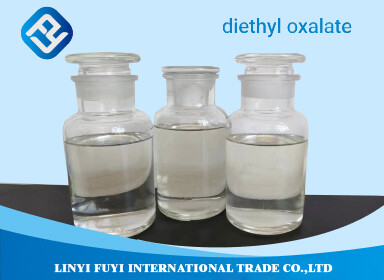
 Diethyl OxalateProduct name Diethyl Oxalate
Molecular Formula C6H10O4
Molecular Weight 146.14
CAS No. 95-92-1
Appearance Colorless oily liquid with aromatic odor
Application Intermediate of drug such as phenoberbital, azathioprine and sulphadoxine-pyrimethamine triazine ring and plastic promoter.
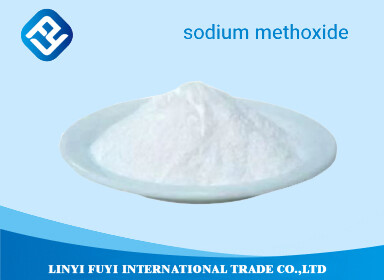
Packing 200kg plastic drum or client required Sodium MethoxideProduct name Sodium Methoxide
Molecular Formula CH3NaO
Molecular Weight 54.02
CAS No. 124-41-4
Appearance White powder or crystal
Total Alkali% ≥99%
Free Alkali% ≤1.0%
Sodium Carbonate (Na2CO3)% ≤0.5%
Application Pharmaceutical, Pesticide, Dyes and Pigment, Plastic, Cosmetic, Edible oil and fat, Fragrance and Flavouring, Paint and Varnish, Biodiesel
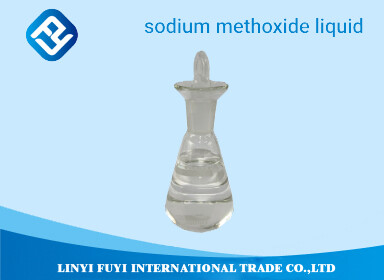
Packing 100kg galvanized iron drum or client required Sodium Methoxide LiquidProduct name Sodium Methoxide Solution
Molecular Formula CH3NaO
Molecular Weight 54.02
CAS No. 124-41-4
Appearance Colorless clear liquid
Total Alkali% 28.5-31%
Free Alkali(NaOH)% ≤0.5%
Application Pharmaceutical, Pesticide, Dyes and Pigment, Plastic, Cosmetic, Edible oil and fat, Fragrance and Flavouring, Paint and Varnish, Biodiesel
Packing 200kg galvanized iron drum; 950kg IBCs;or client required
Leave A Message
If you are interested in our products and want to know more details, please leave a message here, we will reply you as soon as we can.