
Introduction to Food Preservation Acids
When exploring food preservation solutions, formic acid and acetic acid emerge as two powerful contenders. As a leading chemical manufacturer specializing in sodium-based products and organic compounds, we analyze their comparative effectiveness. Formic acid demonstrates unique antimicrobial properties that make it particularly valuable in modern food preservation applications. This article examines key performance factors, safety considerations, and optimal usage scenarios for both acids in the food industry.
Chemical Properties Comparison
Understanding the fundamental differences between formic and acetic acid is crucial for food industry professionals. Formic acid (HCOOH) is the simplest carboxylic acid with a pKa of 3.75, while acetic acid (CH₃COOH) has a pKa of 4.76. This lower pKa gives formic acid stronger antimicrobial activity against bacteria, yeasts, and molds.
The table above demonstrates formic acid's superior antimicrobial efficiency, requiring lower concentrations to achieve similar preservation effects. This makes it particularly valuable in applications where minimal flavor impact is desired.
Performance in Food Applications
In practical food preservation scenarios, formic acid shows distinct advantages in several key areas:
- Silage preservation: Formic acid reduces pH faster than acetic acid, preventing undesirable fermentation
- Meat processing: Effective against Listeria at concentrations 30-50% lower than acetic acid
- Bakery products: Less impact on dough rheology compared to acetic acid
- Beverage industry: Better compatibility with flavor profiles in fruit juices
For specialized applications requiring precise solvent properties, Ethylene glycol monomethyl ether serves as an effective coating solvent and penetrant in food packaging materials, though it's not directly used as a preservative.
Optimal Usage Concentrations
Typical usage levels vary by application:
- Formic acid: 0.1-0.3% in meat products, 0.05-0.15% in beverages
- Acetic acid: 0.2-0.5% in pickling solutions, 0.1-0.4% in dressings
Safety and Regulatory Considerations
Both acids are generally recognized as safe (GRAS) when used appropriately, but important differences exist in their safety profiles:
Food manufacturers should note that formic acid requires more careful handling but offers greater antimicrobial efficiency per unit weight, potentially reducing overall chemical usage in production.
Industry Trends and Selection Criteria
The global food preservatives market, valued at $2.8 billion in 2022, shows increasing preference for formic acid in these scenarios:
- Products requiring extended shelf life (7-14 days longer than acetic acid)
- Applications where flavor neutrality is critical
- High-value protein preservation
- Combination with other organic acids for synergistic effects
Decision Factors for Food Manufacturers
When choosing between these acids, consider:
- Target microorganisms and required kill rate
- Final product pH requirements
- Sensory impact thresholds
- Processing temperature and time parameters
- Regulatory compliance in target markets
Conclusion and Technical Support
Formic acid generally outperforms acetic acid in food preservation effectiveness, particularly in applications requiring strong antimicrobial action with minimal sensory impact. As Asia's leading sodium ethanol producer and organic chemical specialist, we provide comprehensive technical support for food preservation solutions.
For customized formulations or specific application guidance with formic acid, acetic acid, or related compounds like Ethylene glycol monomethyl ether, our technical team can help optimize your preservation strategy while meeting all regulatory requirements.
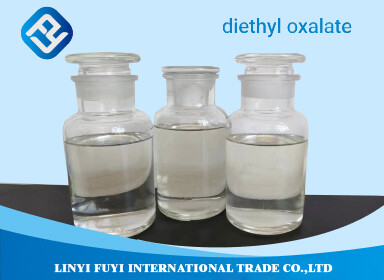
 Diethyl OxalateProduct name Diethyl Oxalate
Molecular Formula C6H10O4
Molecular Weight 146.14
CAS No. 95-92-1
Appearance Colorless oily liquid with aromatic odor
Application Intermediate of drug such as phenoberbital, azathioprine and sulphadoxine-pyrimethamine triazine ring and plastic promoter.
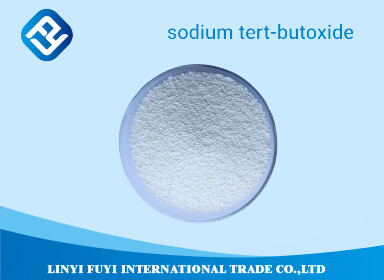
Packing 200kg plastic drum or client required Sodium Tert-ButoxideProduct name Sodium tert-Butoxide
Molecular Formula C4H9NaO
Molecular Weight 96.10
CAS No. 865-48-5
Appearance White powder and white granule
Total Alkali% ≥98.5%
Free Alkali% ≤1.0%
Application Pharmaceutical,Pesticide, key intermediate for forming Cyhalothric acid(Kung Fu Acid) and Pyrethroid pesticide, Boc Anhydride etc.
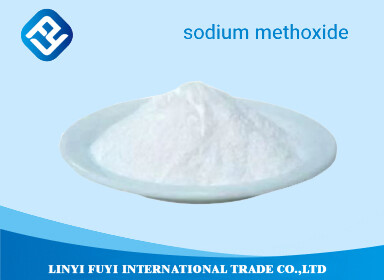
Packing 80kg galvanized iron drum or client required Sodium MethoxideProduct name Sodium Methoxide
Molecular Formula CH3NaO
Molecular Weight 54.02
CAS No. 124-41-4
Appearance White powder or crystal
Total Alkali% ≥99%
Free Alkali% ≤1.0%
Sodium Carbonate (Na2CO3)% ≤0.5%
Application Pharmaceutical, Pesticide, Dyes and Pigment, Plastic, Cosmetic, Edible oil and fat, Fragrance and Flavouring, Paint and Varnish, Biodiesel
Packing 100kg galvanized iron drum or client required
Leave A Message
If you are interested in our products and want to know more details, please leave a message here, we will reply you as soon as we can.