
Key Differences in Storage Conditions
Sodium ethoxide's physical form significantly impacts storage requirements. Liquid formulations demand temperature-controlled environments (typically 15°C–25°C) to prevent crystallization or decomposition, while powder variants require humidity-controlled spaces (<40% RH) to avoid clumping and reactivity with moisture. Our ISO-certified facilities maintain both storage types under pharmaceutical-grade conditions for batch consistency.
The table highlights critical operational differences that impact facility design and inventory management costs. For companies handling multiple sodium compounds like Ethyl Chloroacetate, these variables determine storage zone allocation and material handling workflows.
Safety Protocols for Different Forms
Handling sodium ethoxide requires form-specific safety measures. Liquid versions present spill risks requiring:
- Secondary containment systems (minimum 110% capacity)
- Acid-neutralization kits within 15m radius
- Non-sparking transfer pumps
Powder handling demands:
- Explosion-proof vacuum systems for dust control
- Class D fire extinguishers at dispensing stations
- Positive pressure PPE suits during bulk transfers
Ventilation Requirements Comparison
Our technical team measures ventilation needs in air changes per hour (ACH):
Logistics and Transportation Considerations
Shipping sodium ethoxide presents distinct challenges by form. Liquid shipments require:
- UN 1814 classification (5-20°C maintained during transit)
- 316L stainless steel isotanks for bulk orders
- Thermal blankets for winter transport
Powder logistics involve:
- UN 3206 classification (moisture-proof packaging)
- Desiccant-loaded intermediate bulk containers (IBCs)
- Vibration monitoring for rail shipments
Cost Implications by Volume
Bulk procurement (10+ metric tons) shows significant cost differentials:
- Liquid: $2.8–$3.2/kg (includes returnable container deposits)
- Powder: $4.1–$4.7/kg (reflects packaging and nitrogen purge costs)
Application-Specific Recommendations
Selecting the optimal form depends on end-use requirements. Liquid sodium ethoxide excels in:
- Continuous flow chemical processes
- High-volume pharmaceutical synthesis
- Reactions requiring precise stoichiometric control
Powder form proves superior for:
- Batch processes with intermittent usage
- Geographic regions with extreme temperature variations
- Formulations combining multiple solid reagents
Frequently Asked Questions
Can sodium ethoxide forms be interconverted?
Industrial-scale conversion between forms isn't practical. Liquid-to-powder requires energy-intensive solvent removal (3–4 kWh/kg), while powder dissolution needs anhydrous ethanol (minimum 99.8% purity). Most manufacturers maintain separate production lines for each form.
What's the typical shelf life difference?
Properly stored powder maintains 98%+ purity for 18–24 months versus 9–12 months for liquid. Our accelerated aging tests show liquid formulations degrade 0.3–0.5% monthly at 25°C, while powder degrades 0.1–0.2% under optimal conditions.
How does form choice impact waste disposal?
Liquid waste requires neutralization (2–3% acetic acid solution) before wastewater treatment, generating 5–7% volume increase. Powder disposal needs specialized solidification (typically with mineral oil) before landfill, adding $120–$150/ton to disposal costs.
Technical Support and Custom Solutions
As Asia's largest sodium ethanol producer, we offer:
- On-site storage audits with infrared moisture mapping
- Custom packaging from 1kg lab bottles to 25-ton isotanks
- Just-in-time delivery programs with 48-hour emergency support
For specialized organic synthesis needs like Ethyl Chloroacetate production, our engineers can optimize your sodium ethoxide supply chain for maximum safety and efficiency.
 Potassium tert-ButoxideProduct name Potassium tert-Butoxide
Molecular Formula C4H9OK
Molecular Weight 112.22
CAS No. 865-47-4
Content ≥99%
Free Alkali ≤1.0%
Appearance White Powder
Application Intermediate of pharmaceutical
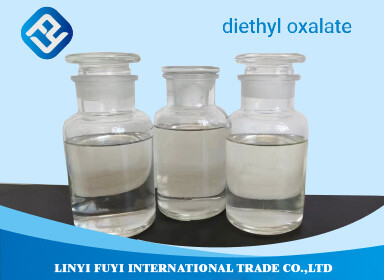
Packing 200kg galvanized iron drum or client required Diethyl OxalateProduct name Diethyl Oxalate
Molecular Formula C6H10O4
Molecular Weight 146.14
CAS No. 95-92-1
Appearance Colorless oily liquid with aromatic odor
Application Intermediate of drug such as phenoberbital, azathioprine and sulphadoxine-pyrimethamine triazine ring and plastic promoter.
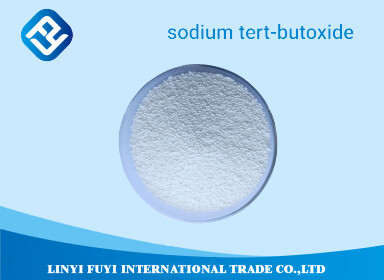
Packing 200kg plastic drum or client required Sodium Tert-ButoxideProduct name Sodium tert-Butoxide
Molecular Formula C4H9NaO
Molecular Weight 96.10
CAS No. 865-48-5
Appearance White powder and white granule
Total Alkali% ≥98.5%
Free Alkali% ≤1.0%
Application Pharmaceutical,Pesticide, key intermediate for forming Cyhalothric acid(Kung Fu Acid) and Pyrethroid pesticide, Boc Anhydride etc.
Packing 80kg galvanized iron drum or client required

Leave A Message
If you are interested in our products and want to know more details, please leave a message here, we will reply you as soon as we can.